Recovered plastics
Recycled polymer streams are assessed for composition, processability and product suitability.

Recovered plastics and agricultural residues are assessed for CIRPAL. Defined formulations and consistent feedstock quality are essential.
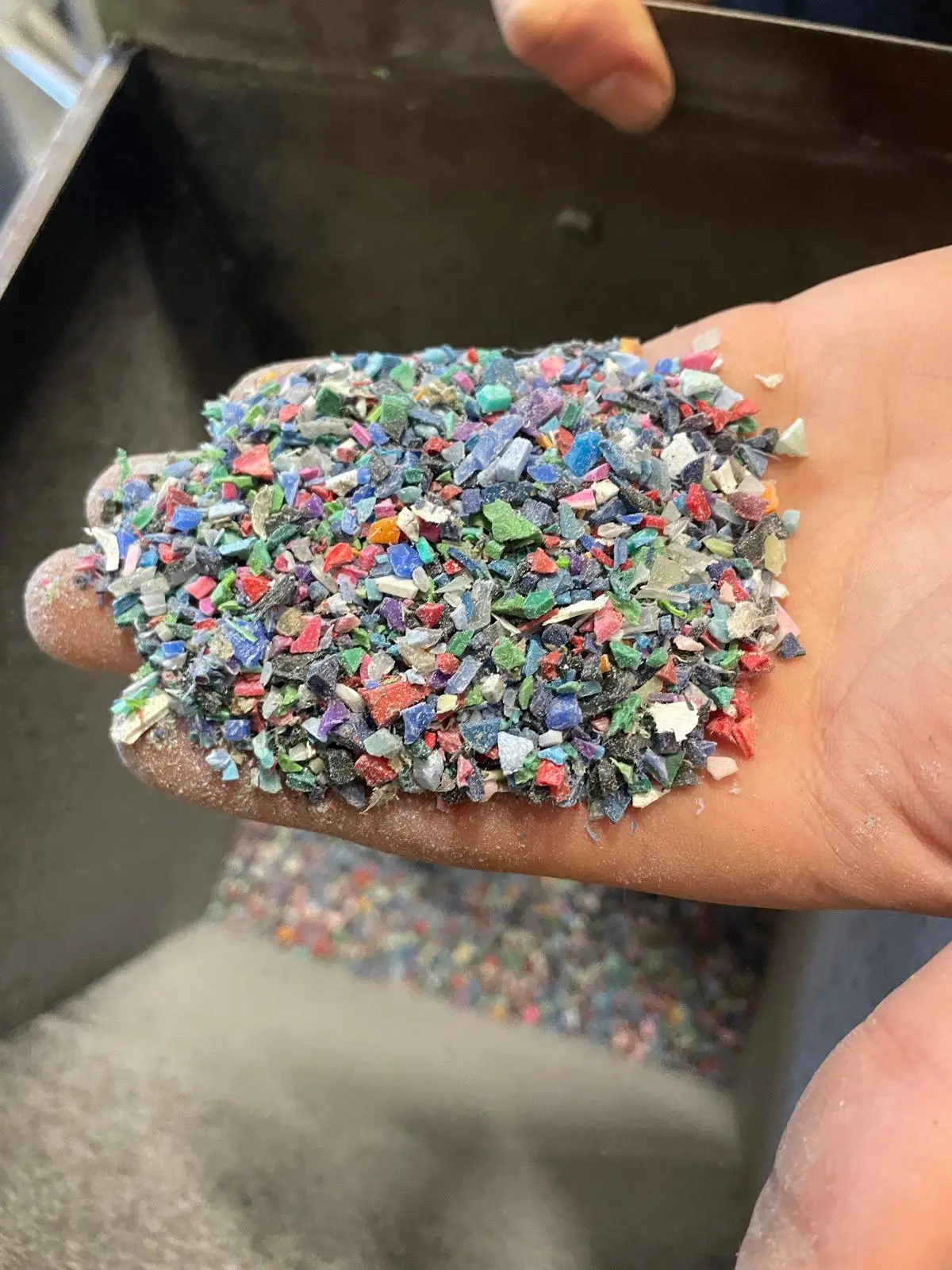
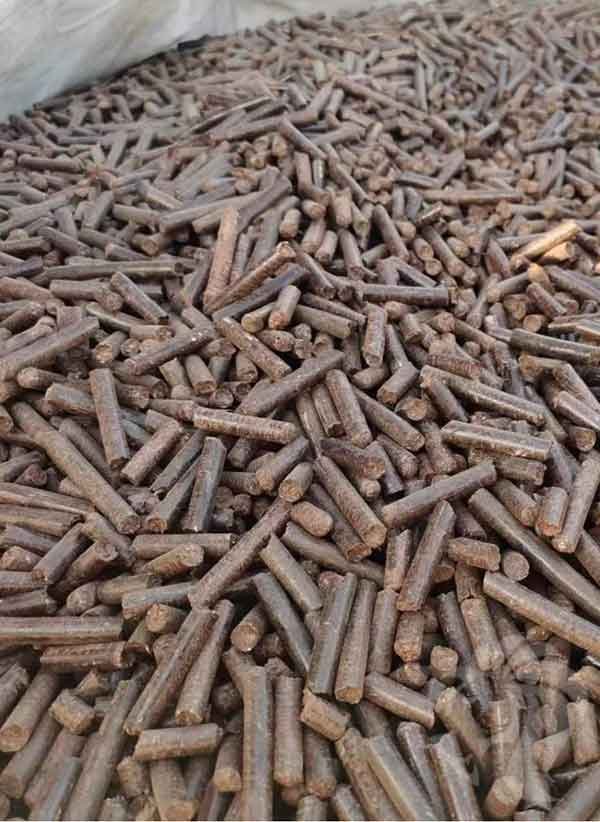
Recycled polymer streams are assessed for composition, processability and product suitability.
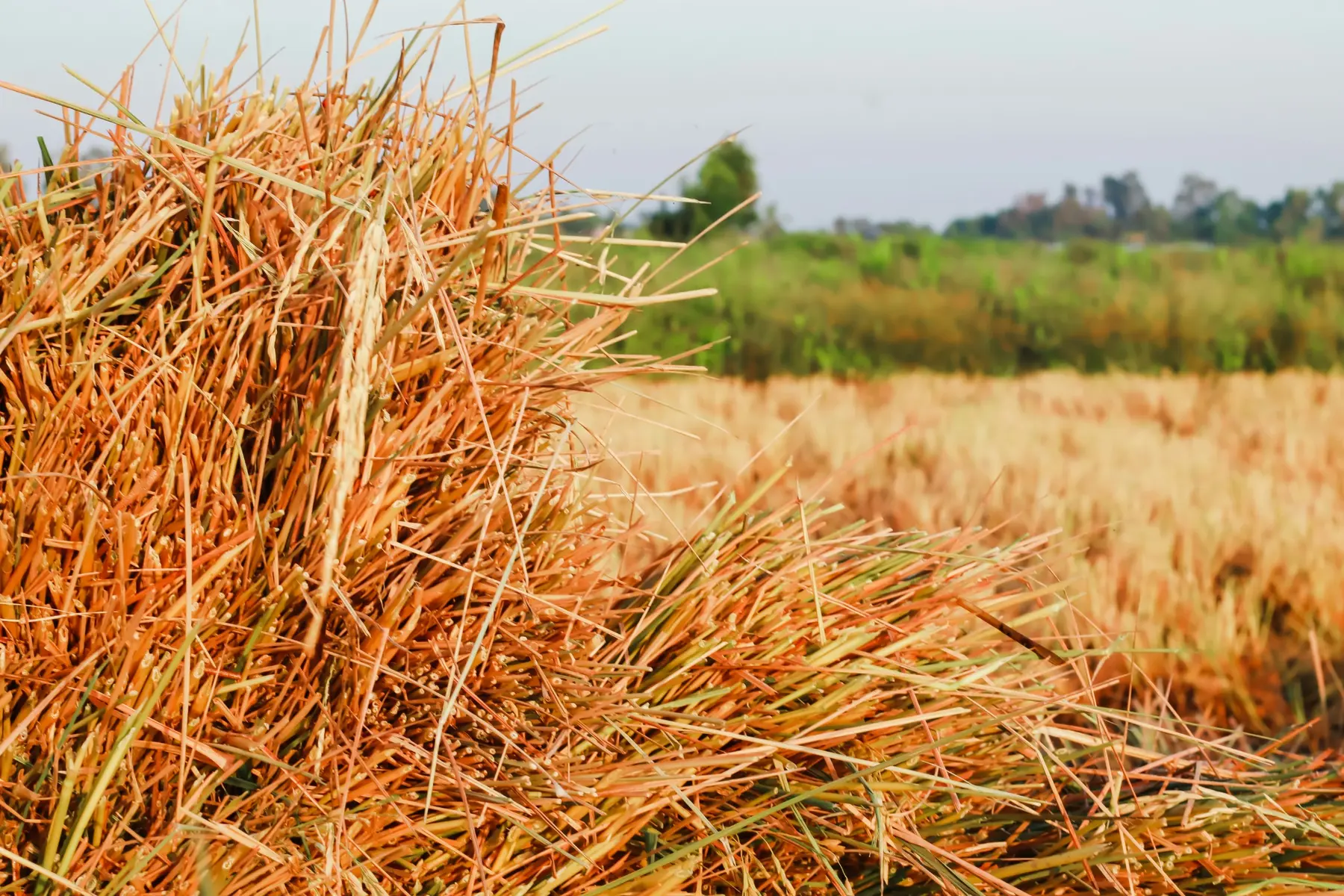
Rice husks, straw, sugarcane bagasse, coconut fibre and other regional residues can provide a complementary feedstock stream for composite applications.
The commercial challenge is to convert variable waste streams into reliable material specifications for consistent industrial production.
Sorting, formulation and processing must produce repeatable results. TREON coordinates market and partner requirements; technology partners lead technical qualification.
Incoming recycled plastics and natural-fibre residues must be assessed for composition, moisture and contamination before they are assigned to a formulation.
Material recipes, processing parameters and product performance need documented trials before a circular composite pallet can move towards industrial deployment.
Local recovery, processing and manufacturing can shorten transport routes and support circular-material value chains in Thailand, Singapore and other Asian markets.
The goal is a controlled material loop: qualified feedstock, reliable production, reuse and organised recovery.
Talk to TREON about market development, production partnerships, feedstock or commercial cooperation.